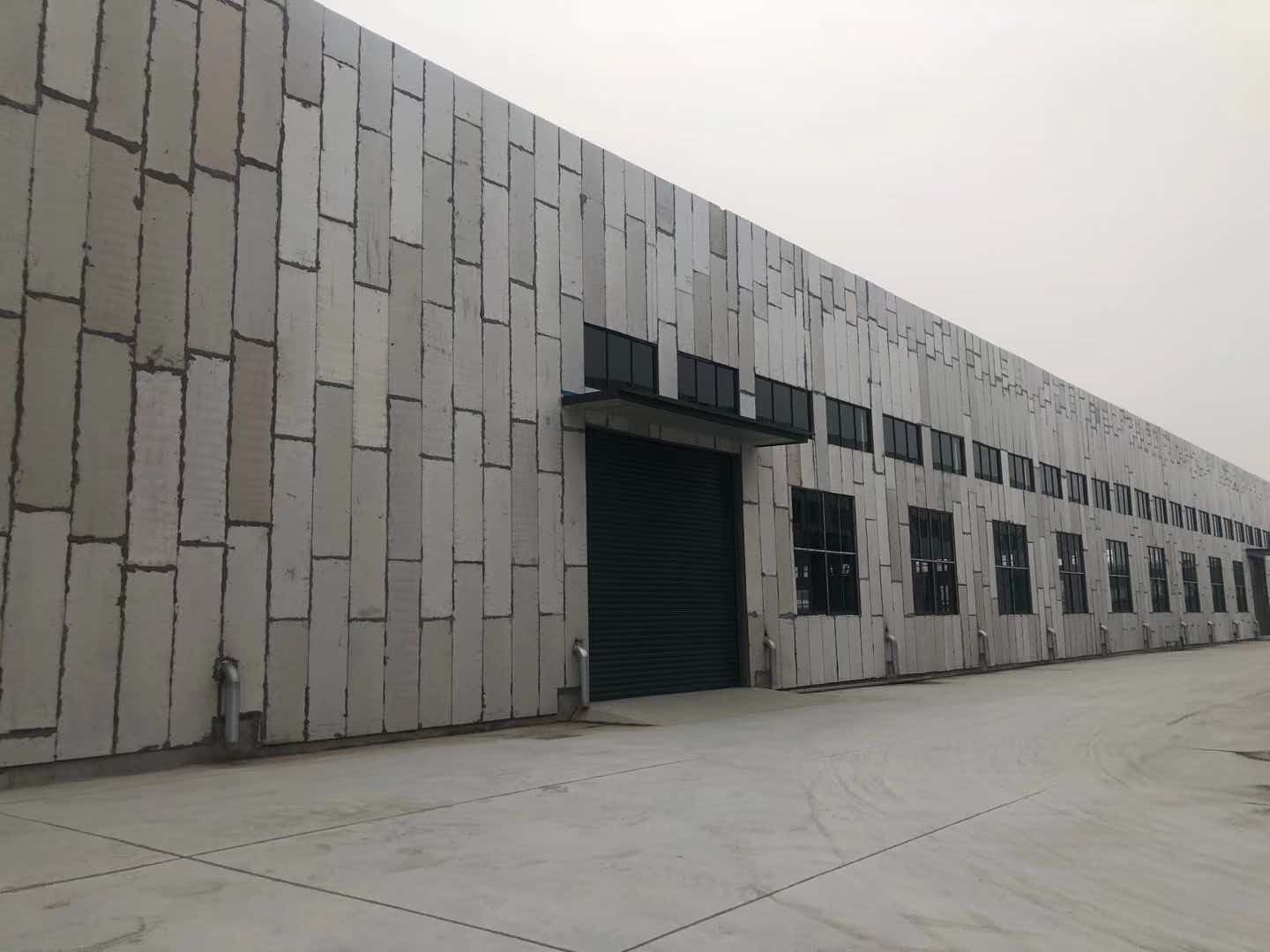
PRODUCT ENGINEERING
Lightweight Composite Wall Panels
Calcium silicate faces and a lightweight composite core. A dry-installation solution for non-load-bearing interior walls.
PRODUCT ENGINEERING
Calcium silicate faces and a lightweight composite core. A dry-installation solution for non-load-bearing interior walls.
PRODUCT ENGINEERING
Calcium silicate facing boards enclose a core of cement, polystyrene particles, fine sand and additives. The result is a solid, lightweight panel for non-load-bearing walls, designed for strength, insulation and straightforward cutting, routing and installation. Dry assembly reduces the need for wet trades and plastering.
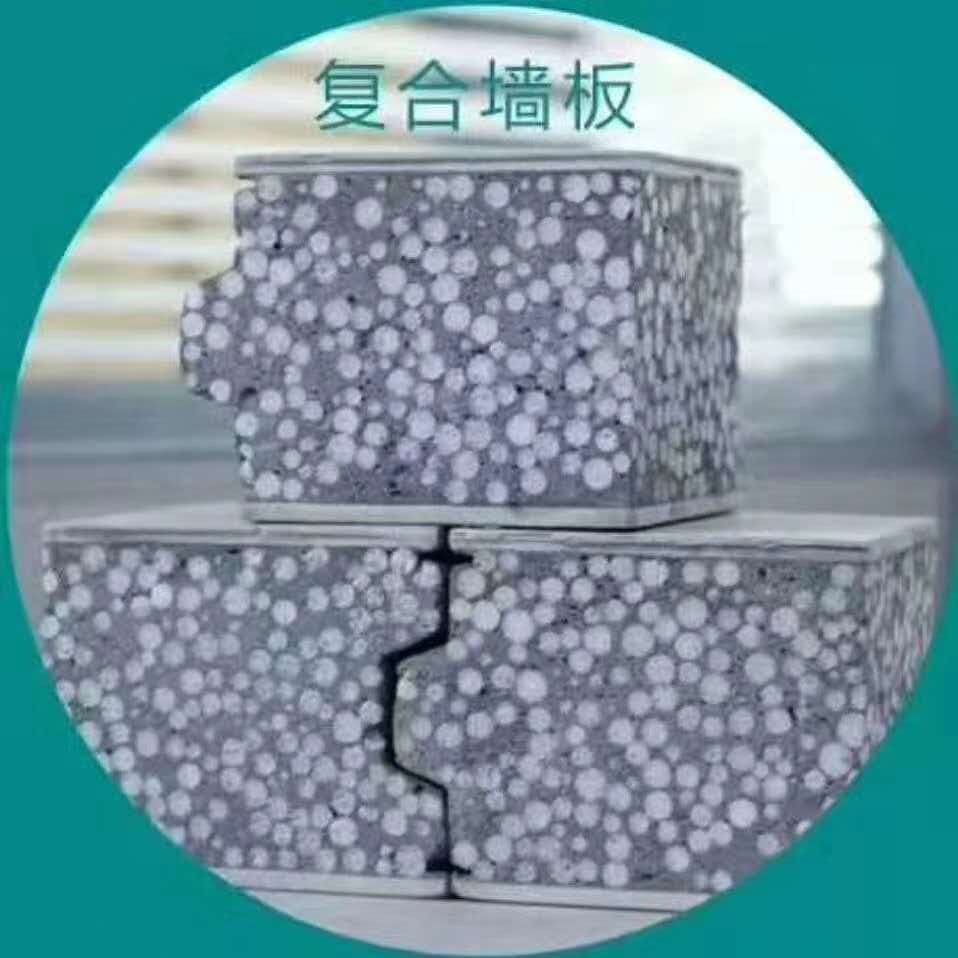
MATERIAL ADVANTAGES
A polystyrene-particle core with a stated density of 600 kg/m³ helps reduce heat loss and structural loading compared with traditional masonry. The product literature describes a formulation free of harmful raw materials.
The product literature states China A1 fire classification and a laboratory exposure at 1,000°C for 240 minutes without damage. Request the applicable report for your selected model.
Calcium silicate facing boards provide moisture resistance. The product literature describes water-retaining applications with dry outer surfaces and resistance to condensation in humid conditions.
A stated sound insulation performance of 45 dB, referenced to GBJ121-88, helps separate spaces more effectively than the 35 dB masonry comparison in the product literature.
High-strength calcium silicate faces allow drilling, routing and the installation of expansion anchors. The stated single-point hanging capacity exceeds 50 kg; select anchors for the actual application.
Connected panels form an integrated wall assembly. The product literature reports five impact-test cycles without damage, alongside strong resistance to bending.
High strength and an integrated assembly support tall and wide partitions. The documented maximum single-level installation height is 26.8 m with an appropriate steel anchoring system.
Dry assembly reduces wet waste and allows quick routing and installation. The product literature reports installation efficiency of 8–10 times conventional masonry, with panels suitable for reuse.
Reusable panels reduce the area occupied by walls, increase usable floor space and lower structural loading, supporting more efficient building construction.